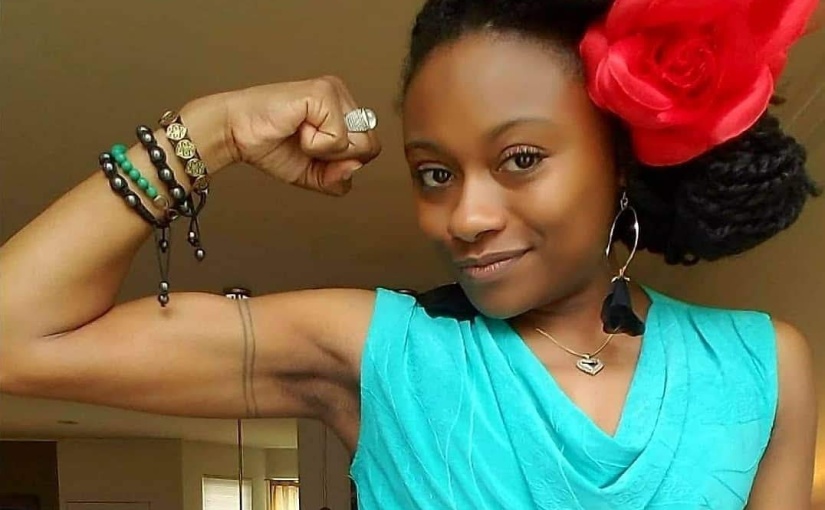
-Kinya Shakur Travis
Labeling a writer’s work as fiction, fantasy, or science fiction can indeed serve as a double-edged sword. On one hand, these labels help in categorizing and marketing books, making it easier for readers to find stories that match their interests. The genre tags can also highlight the unique contributions of Black writers into these fields, celebrating their creativity and expanding the diversity of voices within established literary categories. I love fantasy and science fiction. However, when exploring new titles, white authors seemingly always top the google query unless you specify, African-American Protagonist or Multicultural. One can even query Afro-futurism, which is fine, but it leads me to wonder if my future as a Black female is somehow different from a white female simply because of my race or culture. I know differently as an adult but consider the mindset of what that label can infer.
Labeling a Black writer’s work as fiction, fantasy, or science fiction comes with another set of challenges. One significant con is the risk of pigeonholing. Black writers, like any other writers, deserve the freedom to explore a myriad of themes and genres without being confined to specific labels that may overshadow the multifaceted nature of their work. Older generations of readers might steer away from fantasy, magical realism, or horror because many in our culture have found these genres taboo and have passed their beliefs down. When the works of Black authors are predominantly categorized within certain genres, it can inadvertently perpetuate the notion that our experiences and creativity are limited to those realms. This not only restricts our audience but also diminishes the broader literary contributions we make. Such narrow categorization can prevent readers from appreciating the full scope of Black writers’ artistic and intellectual achievements which can span across a multitude of cultures for those of us born in the diaspora and raised in the Americas.
“I think part of this was searching for my own mythologies. As a Black man born in the diaspora, our ground zero tends to be slavery. And surely there is more to Blackness and Black history and Africanness than that.”
– Marlon James
Additionally, there is the concern of marketability versus authenticity. While genre labels can assist in marketing to and attracting specific reader groups, they might also pressure Black writers to conform to genre expectations at the expense of their authentic voices and stories. The commercial success tied to specific genres can sometimes lead publishers to push Black writers toward themes and styles that are more commercially viable, potentially stifling creative expression. This can lead to a dilution of the unique cultural perspectives that these writers contribute to the literary world. As an African-American writer, will I be pressured to incorporate African mythology into my writing, although I don’t know where in Africa my ancestors reigned from? Will I be ridiculed for including my Cherokee heritage because I identify as Black? In striving to fit into predefined genre molds, Black writers may face the difficult choice of balancing market demands with the desire to maintain the integrity of their storytelling.
And how does the historical disadvantage Black writers have faced in getting their works published play into the marketing and publishing of these genres? During the turn of the 19th and 20th centuries, systemic racism and discriminatory practices within the publishing industry severely limited opportunities for Black writers. As a result, white writers have had a substantial head start, building extensive bibliographies and establishing dominance in the fields of science fiction and fantasy. Readers and publishers can consider what constitutes as sellable “fantasy” or “science fiction” based largely on the constructs of what white writers have established over the decades. The dominance of mythical characters and places heralded from European folklore, such as dragons, wizards, and medieval kingdoms, has set a precedent for what many consider the standard in these genres. This Eurocentric framework shaped the expectations and preferences of a broad audience, often marginalizing stories that draw from non-European cultures and mythologies. As a result, Black writers who incorporate African folklore, Afrofuturism, or other culturally distinct elements into their works may struggle to gain the same level of acceptance and popularity. An entrenched bias towards European-centric narratives means that diverse stories can frequently be seen as niche or less marketable, further perpetuating the underrepresentation of Black writers in mainstream fantasy and science fiction literature. One more barrier for Black authors, who must navigate an industry and readership conditioned to a narrow vision of what fantasy and science fiction should look like.
Ultimately, putting any writer into a genre “box” can go against the power of the writer and the gift of imagination. Fiction, as a genre, has inspired and ticked off so many others such as speculative fiction, science fiction, fantasy, magical realism, and more. As we continue to push the boundaries of storytelling and navigate a world experiencing unprecedented climate change and rapid evolution, new genres and subgenres will emerge, reflecting our changing realities and expanding horizons. I can see “Alien Artifice” somewhere in our distant future, one that could blend elements of alien worlds with human artistry, technology, and innovation. By allowing writers the freedom to explore and create without the constraints of rigid labels, we can ensure that the literary landscape remains vibrant, inclusive, and ever-evolving.